

Buying a new-build property is a major decision. Not only does it represent a significant financial investment, but choosing a home also means choosing a location, a way of life and a place where you may live for many years to come.
But what should you consider before buying a new-build property? Which documents should you review? What additional costs should you budget for? Does it matter what stage the development has reached? And what questions should you ask the developer?
In this guide, we take you through the key points to consider when buying a new-build home, so that you have all the information you need to make your decision with confidence.
What is a new-build property?
A new-build property is a home purchased directly from a developer and occupied as a home for the first time.
One of the main advantages of buying new is that you can find out about the development from the outset, including its layout, floor areas, communal facilities, specification, energy efficiency, features and, in many cases, the different options available to personalise your home.
Buying off-plan can also give you the opportunity, depending on the development, to choose from different property types and orientations before construction is complete.
1. Choose the location first, then the property
One of the most common mistakes when looking for a new home is to focus on the property itself and overlook the importance of its location.
However, where you choose to live will have a major impact on your everyday life.
Before choosing a development, consider:
- Transport links and public transport.
- Commuting times.
- Schools and healthcare facilities.
- Shops and everyday services.
- Green spaces and places to exercise.
- Proximity to the sea or countryside, if this is important to you.
- Leisure, dining and entertainment options.
- How the area is expected to develop in the coming years.
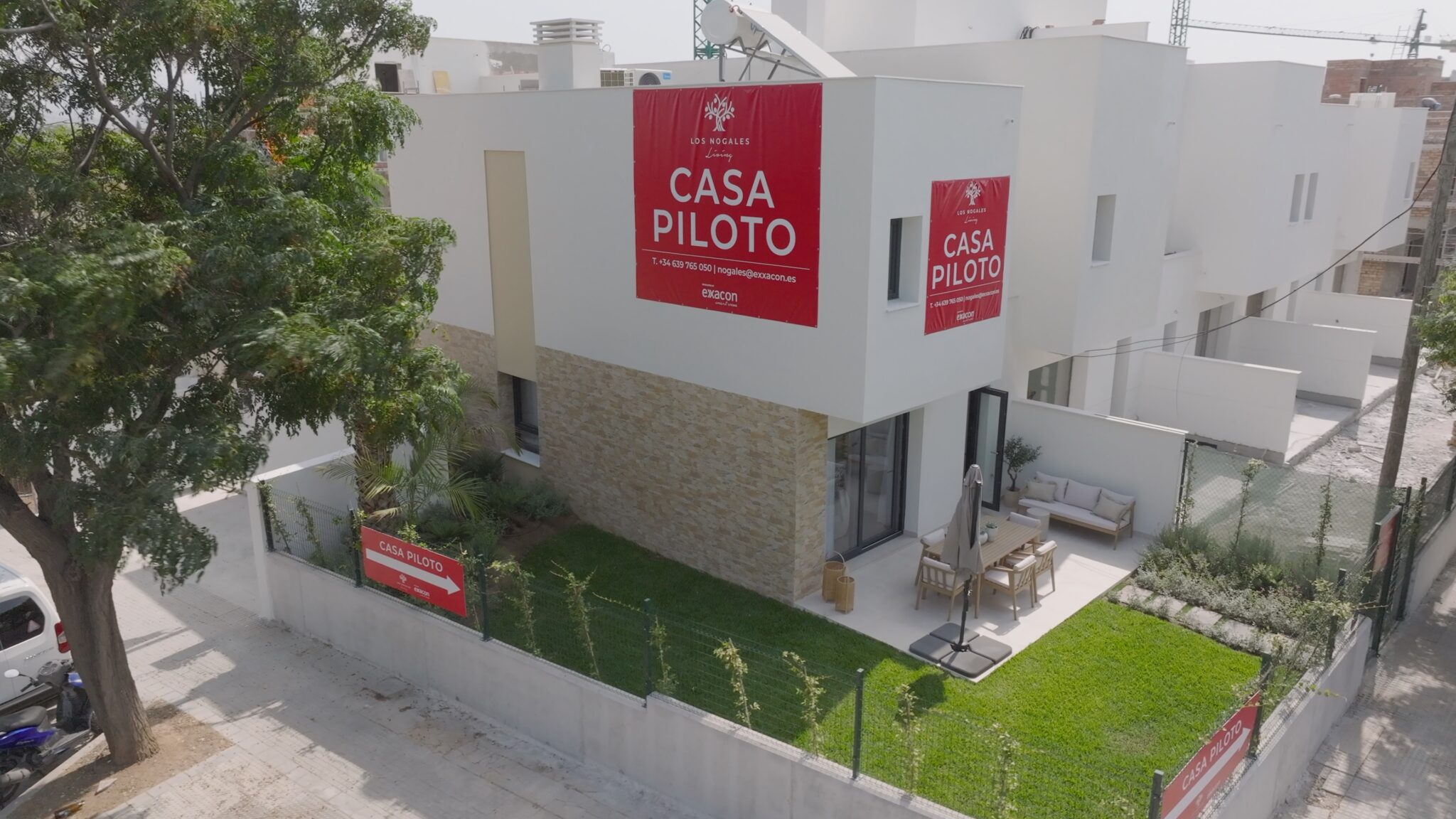
For example, Los Nogales Living combines a peaceful residential setting with being just 20 minutes from Málaga city centre, while Entrenúcleos Living Panorámica is located in a growing residential area of Dos Hermanas, offering excellent connections to Seville and access to an expanding range of services.
The question should not simply be, “Do I like this property?” It should also be: “Can I see myself living here in five or ten years’ time?”
2. Look carefully at the layout and usable floor area
More square metres do not necessarily mean a better home. What really matters is how that space is used.
Before buying, consider aspects such as:
- Usable and built floor area.
- Number and size of bedrooms.
- Layout of the different rooms.
- Storage space.
- Orientation.
- Natural light.
- Terraces, balconies or gardens.
- Number of bathrooms.
- Whether the layout can adapt to your needs in the future.
It is also worth thinking about how your life might change over time.
A home that is perfect for a couple could feel too small once you have children. Equally, an additional bedroom can be particularly useful if you work from home.
3. Don’t overlook outdoor space
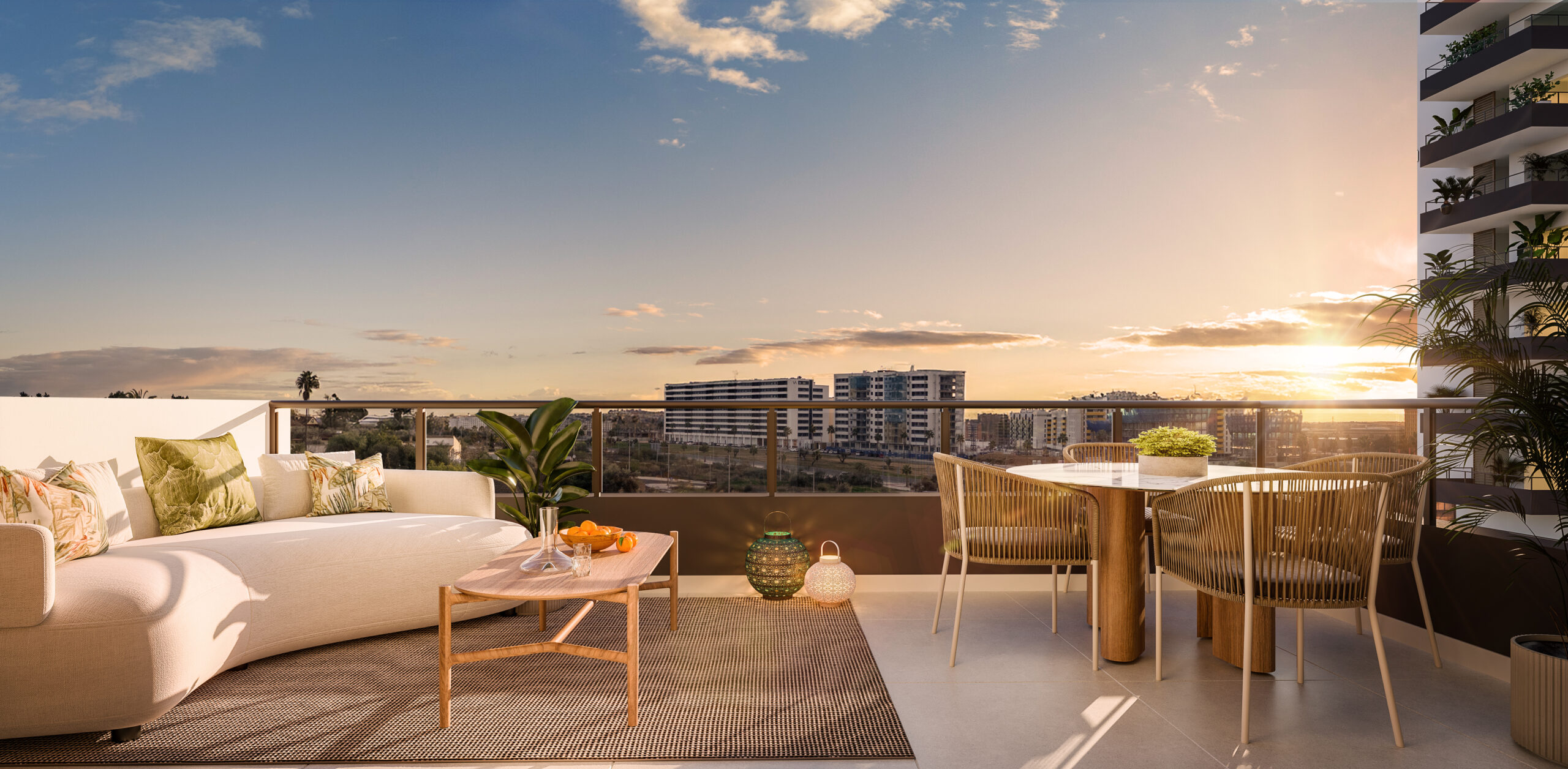
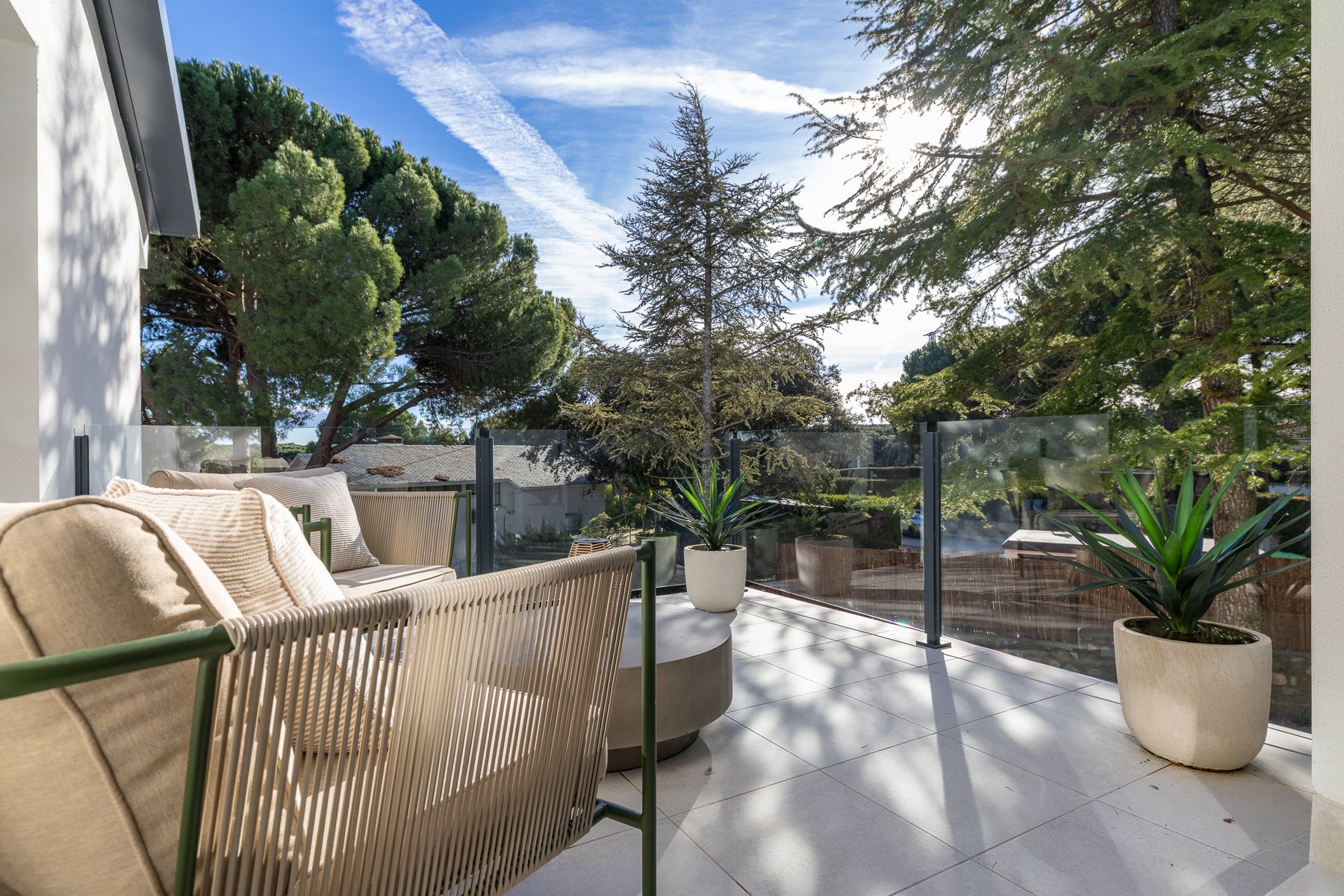
For many buyers, a terrace, garden or balcony is no longer simply an added extra. Outdoor space can extend the feeling of the home and provide an additional area for relaxing, dining, working or enjoying your free time.
Exxacon’s developments offer a range of options to suit different lifestyles. Las Terrazas de Cortesín Bon Air, for example, still has a limited number of ground-floor properties available, with fabulous sea views from their private gardens. Meanwhile, the last available semi-detached villa at Living Natura, in the mountains north of Madrid, comes with a generous private garden.
The right choice will depend on your lifestyle. A ground-floor property with a private garden can be particularly appealing to families with young children or pets, while a penthouse may offer greater privacy and impressive views.
4. Review the specification
The specification is one of the key documents to look at when buying a new-build property. It provides information about aspects such as:
- Flooring.
- Joinery and carpentry.
- Heating and cooling systems.
- Kitchen.
- Bathroom fittings.
- Insulation.
- Building services and installations.
- Energy-efficiency systems.
- Communal areas.
It is not simply a question of checking whether the finishes look attractive. It is also worth considering their durability, maintenance requirements and performance.
5. Check the property’s energy efficiency
Energy efficiency is becoming increasingly important when buying a home.
An energy-efficient property can provide greater thermal comfort while helping to reduce energy consumption.
It is therefore worth asking about:
- The property’s energy rating.
- Heating and cooling systems.
- Thermal insulation.
- Window frames and glazing.
- Hot water production.
- Renewable energy systems, where applicable.
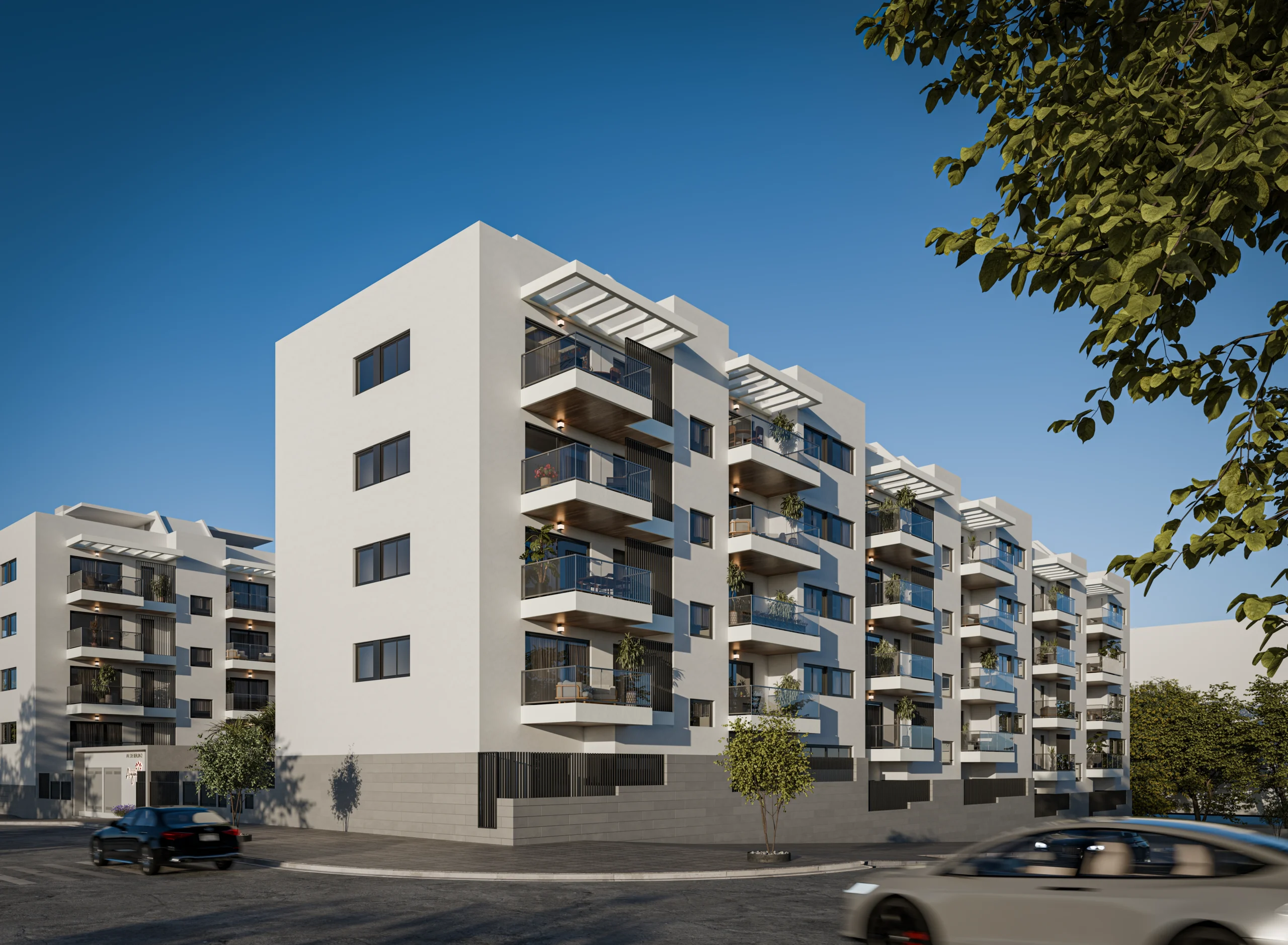
For example, Living Arganda has an A energy rating. This reflects Exxacon’s Smart Living philosophy, which incorporates sustainability, technology, energy efficiency and design into its residential developments.
6. Find out what stage the development is at
Buying a property in an upcoming launch is very different from purchasing one in a development that is already under construction or where a show home is available to visit. Each stage has its own particular characteristics.
Exxacon’s current portfolio includes examples at different stages. Las Brisas Living, in La Cala de Finestrat on the Costa Blanca, is due to launch shortly. Meanwhile, developments such as Olivara Living and Isidora Living Las Mesas, both launched earlier this year, are already well advanced in their sales process. Alonis Living Playa del Torres and Alura Living are at different stages of construction, while Amaranta Living Casares Golf, Entrenúcleos Living and Soleia Living El Chaparral already have show homes available to visit.
Knowing the stage of a development will give you a clearer understanding of expected timescales, how far the project has progressed and what options may still be available.
7. Work out the total cost, not just the purchase price
How much does it really cost to buy a new-build property? The purchase price is only one part of the overall cost.
You also need to take into account the taxes and other costs associated with the purchase, as well as any potential financing costs.
Before reserving a property, it is therefore worth putting together a realistic budget that includes:
- Purchase price.
- Applicable taxes.
- Notary and Land Registry costs, where applicable.
- Financing costs.
- Additional parking space, if relevant.
- Storage room or other additional features.
- Fittings, upgrades or personalisation options.
So, what should you check before buying a new-build property?
In summary, a well-informed decision should take five key areas into account:
- Location: where the property is and how the area is likely to evolve.
- The property itself: layout, orientation and floor area.
- Specification: materials, installations and energy efficiency.
- The development: communal facilities, services and construction stage.
- The overall investment: total cost, financing and associated expenses.
Buying a new-build property is about much more than finding a beautiful home. It is about choosing a residential development that fits your needs today while also making sense for the future.
Frequently asked questions about buying a new-build property
What should I know before buying a new-build property?
It is important to consider the location, layout, specification, energy efficiency, stage of the development, expected completion date, associated costs and applicable warranties.
Is it better to buy a new-build property off-plan?
Buying off-plan allows you to purchase at an earlier stage of the development and, depending on the project, may give you a wider choice of properties, orientations and layouts. However, it is particularly important to understand the documentation and the specifications of the property before committing.
What costs are involved in buying a new-build property in Spain?
In addition to the purchase price, you should budget for the applicable taxes and other costs associated with the purchase. If you are financing the purchase with a mortgage, there may also be additional financing-related costs.
What documents should I ask the developer for?
You should familiarise yourself with the details of the development, the specification, floor plans, information about the development, the purchase conditions and the relevant contractual documentation.
What is more important when buying a new-build property: the location or the home itself?
Both are important, but location deserves particular attention because it cannot be changed later. The property itself should then be assessed in terms of how well its size, layout and features suit your lifestyle and future needs.comprador.